


Finding a crypto-friendly bank in 2026 is not as simple as opening an account with a traditional financial institution. Some banks allow transfers to cryptocurrency exchanges like Coinbase, while others offer built-in crypto trading, digital asset custody, or specialized banking services for Web3 businesses.
The best option depends on where you live, whether you are an individual investor or a crypto business, and which digital asset services you need. Some providers also impose restrictions on specific exchanges, transaction limits, or crypto-related business activities.
Sponsored
In this guide, we compare crypto-friendly banks and fintech providers, examining their supported services, availability, fees, and limitations to help you find the right banking solution in 2026.
What Makes a Bank Crypto-Friendly?
A crypto-friendly bank makes it easier for individuals and businesses to interact with the cryptocurrency market through traditional financial services. Depending on the provider, this may include allowing transfers to and from crypto exchanges, offering crypto trading or payment features, or providing banking services to eligible crypto companies.
Not all crypto-friendly providers offer the same features. Some let customers buy, sell, and hold digital assets directly, while others simply support transfers to selected platforms like Kraken or provide financial services to Web3 businesses. Some are licensed banks, while others are fintech companies that partner with banks to deliver their services.
Pros and Cons of Crypto-Friendly Banks
Before exploring the best crypto-friendly banks, consider the main advantages and potential drawbacks.
Pros
- Easier access to crypto markets – These providers can simplify the process of moving money between traditional bank accounts and cryptocurrency exchanges, making it easier to fund purchases or withdraw proceeds.
- Convenient crypto services – Some offer integrated crypto trading, payment cards, or other features that let customers manage certain crypto-related activities through familiar financial apps.
- Support for crypto businesses – Certain providers offer business accounts and payment services to eligible blockchain, fintech, and Web3 companies.
- Familiar banking tools – Customers can access features such as mobile banking, payment transfers, account management, and transaction monitoring, depending on the provider.
Cons
- Geographical and service restrictions – Crypto features, supported exchanges, and account eligibility can vary significantly by country. A service available in one market may not be offered in another.
- Fees and transaction limits – Crypto-related transactions may involve exchange fees, spreads, transfer charges, or account limits. These costs can make some services more expensive than using a crypto exchange or wallet directly.
- Limited protection for crypto holdings – Eligible fiat deposits may qualify for deposit protection, depending on the institution and jurisdiction. Cryptocurrency holdings generally do not receive the same protection.
- Account restrictions and compliance checks – Banks and fintech providers may review, delay, or reject crypto-related transactions as part of their fraud prevention and regulatory compliance procedures.
- Less flexibility than DeFi – Crypto-friendly banking services generally offer fewer decentralized finance features than DeFi. They are not designed to replace decentralized applications for activities such as staking, lending, or yield farming.
Quick Comparison: The 5 Best Crypto-Friendly Banks
| Provider | Best For | Crypto Trading | Crypto Transfers | Availability |
|---|---|---|---|---|
| Revolut | Individual crypto investors | Yes | Yes, supported wallets | Selected markets |
| Wirex | Crypto payments and spending | Yes | Yes | Selected markets |
| Mercury | Web3 startups and businesses | No | Yes, eligible exchange transfers | Eligible US businesses |
| Monzo | UK-based crypto investors | No | Yes, selected exchanges | UK |
| Ally Bank | Traditional banking and investments | No | No direct crypto transfers | US |
Top Crypto-Friendly Banks
If you’re looking for the best crypto-friendly bank to join in 2023, you’re in the right place! This list breaks down some of the top banks for cryptocurrency from a variety of fields, including traditional banking, business banking, and personal accounts.
1. Revolut
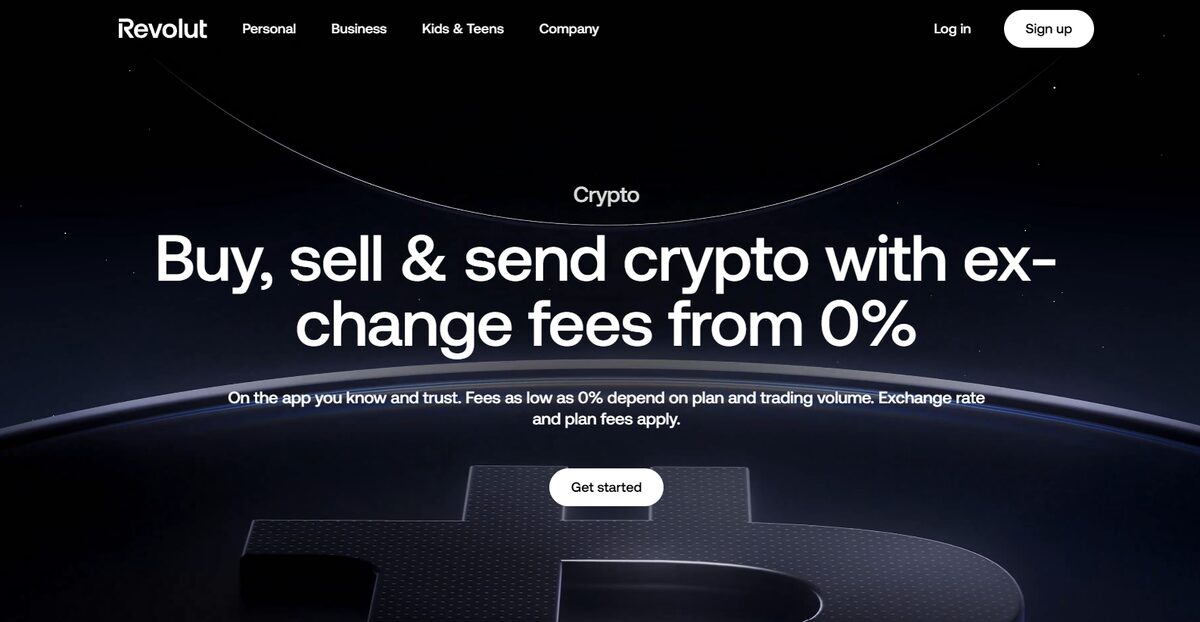
Revolut remains one of the more accessible options for people who want to manage traditional money and cryptocurrency through a single financial app.
Revolut is a digital banking platform that combines traditional financial services with cryptocurrency features. In supported markets, customers can use its app to buy, sell, hold, and transfer cryptocurrencies, including Bitcoin and Ethereum. Available assets and features depend on the customer’s country and account eligibility.
Revolut also supports crypto withdrawals and deposits through selected external wallets and blockchain networks. However, transaction fees, supported assets, and withdrawal limits vary. Its cryptocurrency services are provided by separate legal entities from its banking services, and crypto holdings are not covered by standard bank deposit protection.
Key Takeaways
- Offers crypto trading, holding, and transfers in supported markets.
- Supports selected external wallets and blockchain networks.
- Fees and features vary by country and subscription plan.
- Crypto holdings are not covered by bank deposit guarantee schemes.
- High fees.
2. Wirex

Wirex flips the script amongst the other ‘best crypto-friendly banks’ contenders. While other platforms began their story as traditional banks and slowly moved to cryptocurrency acceptance, Wirex set out to be the world’s leading crypto bank from day one.
Wirex is a global fintech platform combining traditional currencies, cryptocurrency services, and payment cards. Users in eligible markets can buy, sell, exchange, and hold supported digital assets, as well as use available payment services to spend their funds.
Wirex also hosts a cross-chain bridge, offers crypto-linked cards, and a Cryptoback rewards programme, which advertises rewards of up to 8% on eligible purchases.
Actual rewards depend on the card programme, subscription, and applicable conditions. Wirex is not a traditional bank; its services are provided through regulated entities and financial partners, depending on the customer’s location.
Key Takeaways
- Crypto-first approach to banking.
- Extensive trading platform and cross-chain bridge.
- Excellent cashback rewards and staking services.
- Features, fees, and availability depend on location and product.
- NFT and dApp support.
3. Mercury
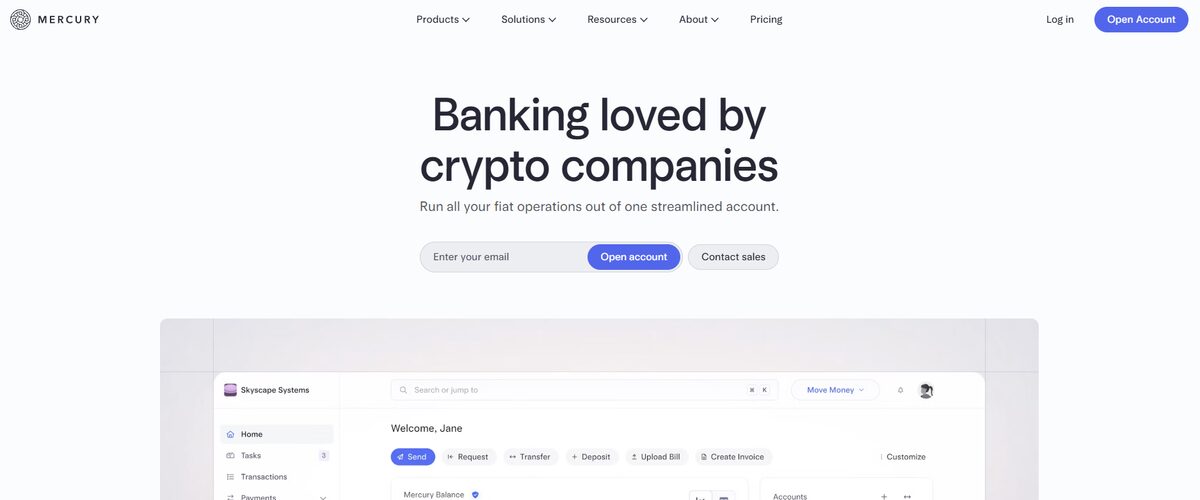
Mercury is a US-based financial technology company providing business banking services through partner banks. It is particularly relevant to eligible cryptocurrency and Web3 startups, DAOs, and investment funds that need traditional financial infrastructure to manage their operations.
Businesses can use Mercury to manage fiat deposits, payments, expenses, and transfers to supported cryptocurrency exchanges, including Coinbase and Gemini. However, Mercury does not hold cryptocurrencies or provide crypto trading services.
It supports most eligible US-registered businesses, including those founded by international entrepreneurs, but does not accept applications from crypto exchanges or money services businesses.
Key Takeaways
- Designed for eligible startups and Web3 businesses.
- Supports fiat transfers to certain cryptocurrency exchanges.
- Provides business accounts, payments, and expense management.
- Does not offer crypto custody or trading.
- Banking services are provided through partner banks.
4. Monzo
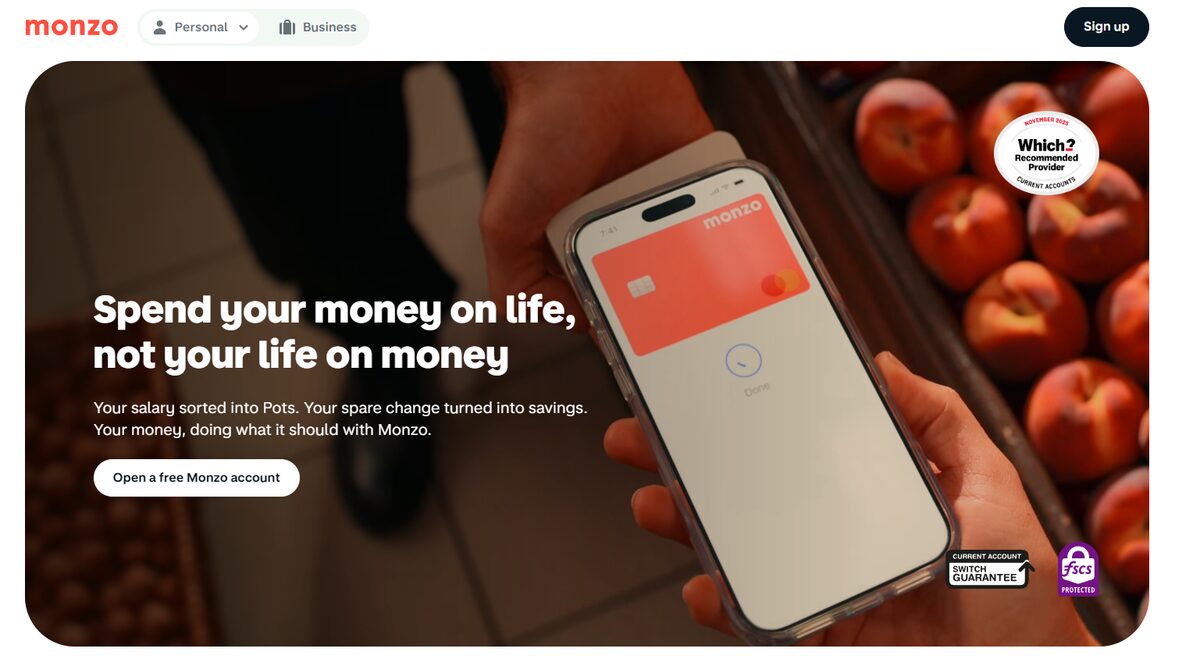
Monzo is a UK-based digital bank that allows customers to use their accounts with selected cryptocurrency exchanges.
Although it does not offer native cryptocurrency trading, customers can transfer money to supported platforms, including Coinbase, making it an option for investors who want to manage traditional banking and crypto purchases separately.
Monzo applies transaction monitoring and restrictions to cryptocurrency-related payments. For example, it currently blocks payments to Binance while allowing transfers to a range of other exchanges. Its cryptocurrency payment allowance is also limited, so customers should check the latest terms before making large transactions.
Key Takeaways
- UK digital bank supporting transfers to selected crypto exchanges.
- Allows payments to platforms such as Coinbase.
- Blocks payments to Binance.
- Does not offer native crypto trading or custody.
- Cryptocurrency payment limits and security restrictions apply.
5. Ally Bank
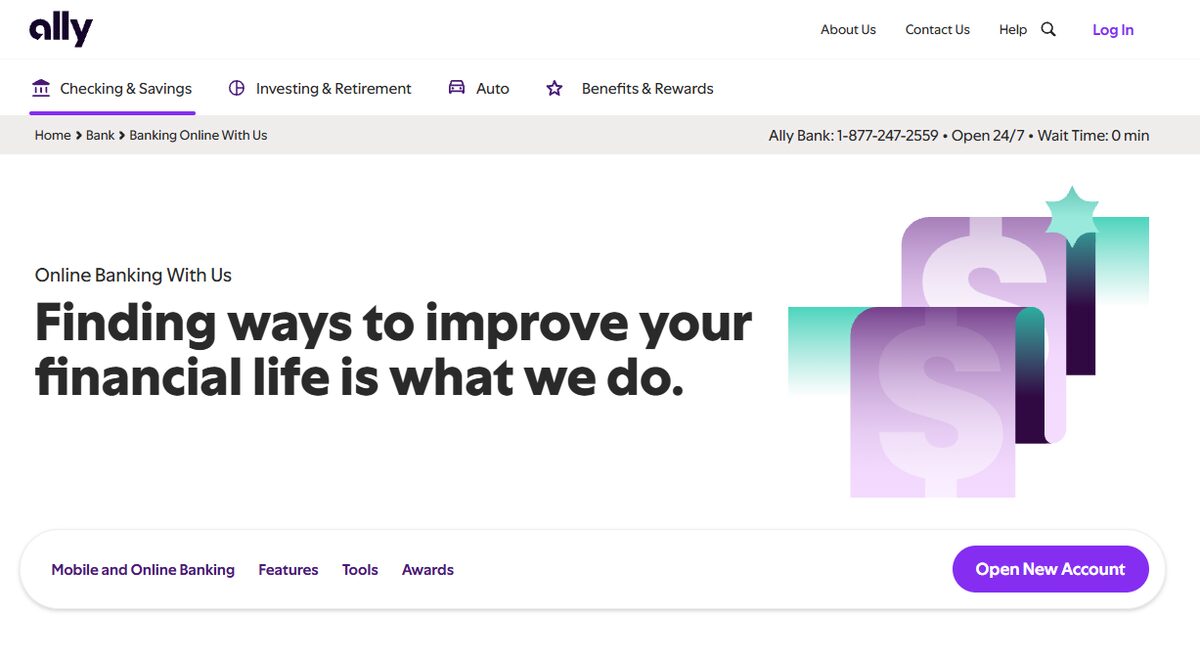
Ally Bank is a US-based digital bank offering traditional banking products, including checking accounts, savings accounts, and investment services. Unlike specialist crypto-friendly financial platforms, Ally does not provide direct cryptocurrency trading or cryptocurrency custody through its banking services.
Customers cannot transfer cryptocurrencies directly to Ally accounts, which accept transactions in US dollars. Ally Invest also does not currently support direct cryptocurrency trading, although customers can access certain crypto-related investment products, including cryptocurrency funds and publicly traded companies involved in the industry.
Ally is therefore better suited to customers looking for conventional banking and investment services rather than direct access to cryptocurrency exchanges or digital assets.
Key Takeaways
- Established US digital bank offering traditional financial services.
- Does not support direct cryptocurrency transfers or custody.
- Does not offer direct cryptocurrency trading through Ally Invest.
- Provides access to selected crypto-related investment products.
How to Choose a Crypto-Friendly Bank?
Choosing a crypto-friendly bank involves more than finding a financial institution that allows cryptocurrency transactions. The right option depends on your location, investment activities, and whether you need basic exchange transfers or more advanced crypto-related services.
Here are five important factors to consider:
1. Cryptocurrency Exchange Compatibility
Check whether the bank supports transfers to your preferred cryptocurrency exchanges, such as Coinbase, Kraken, or Binance. Some financial institutions restrict payments to specific platforms or apply additional security checks to crypto-related transactions.
2. Fees and Transaction Limits
Compare account maintenance fees, international transfer costs, currency conversion charges, and any limits on cryptocurrency-related payments. Some providers also charge separate fees for buying, selling, or withdrawing digital assets.
3. Security and Deposit Protection
Look for providers with appropriate regulatory authorisation and transparent security policies. Check whether eligible fiat deposits are covered by a recognised deposit guarantee scheme and understand that cryptocurrency holdings generally receive different protections.
4. Geographical Availability
Crypto-related banking services are not available everywhere. Before opening an account, check whether the provider accepts customers in your country and whether its cryptocurrency features are accessible in your region.
5. Support for Crypto Businesses
If you operate a Web3 startup, blockchain company, or cryptocurrency-related business, check the provider’s business eligibility requirements. Some platforms, including Mercury, support eligible technology and Web3 companies but exclude certain activities, such as operating a cryptocurrency exchange or money services business.
Are Crypto-Friendly Banks Safe?
Crypto-friendly banks and financial platforms make it easier to manage traditional money and cryptocurrency in one place. However, their safety depends on regulation, banking partnerships, and security measures.
An important distinction is that eligible fiat deposits may be protected by deposit guarantee schemes, while cryptocurrencies generally are not. Crypto assets also carry risks such as market volatility, custody issues, and potential losses.
Not every crypto-friendly platform is a licensed bank. Providers such as Wirex and Mercury may operate through regulated entities or partner banks. Before choosing one, check its licences, account terms, and what protections actually apply to your funds.
FAQs
Several financial institutions and fintech platforms support cryptocurrency-related transactions. Revolut and Wirex offer crypto services in eligible markets, while Monzo supports transfers to selected cryptocurrency exchanges. Mercury provides banking services to eligible Web3 businesses, whereas Ally Bank primarily offers traditional banking and investment products.
The best option depends on your needs. Revolut is suitable for individuals seeking integrated crypto services, Wirex focuses on cryptocurrency payments and spending, and Mercury caters to eligible Web3 businesses. Monzo can be useful for UK customers transferring money to supported exchanges.
Yes, many banks and financial platforms allow transfers to Coinbase, although availability depends on the customer’s location, payment method, and account restrictions. Always check your bank’s current cryptocurrency payment policy and Coinbase’s supported funding methods before initiating a transfer.
Yes. Banks can restrict or decline cryptocurrency-related payments for security, fraud prevention, regulatory compliance, or internal risk-management reasons. Some institutions also block transactions involving specific exchanges. Customers should review their provider’s terms and conditions before making crypto-related transfers.
Eligible deposits held with licensed banks may be covered by national deposit protection schemes, depending on the institution, account type, and applicable limits. However, cryptocurrency holdings are generally not covered by traditional bank deposit insurance. Fintech platforms may also use partner banks, so customers should identify the institution actually holding their deposits and verify the applicable protection.