


Crypto launchpads give blockchain projects a platform to introduce their tokens, raise funds, and build communities before or during their entry into the wider cryptocurrency market. For investors, they can provide access to early-stage token sales, including Initial DEX Offerings (IDOs) and Initial Exchange Offerings (IEOs).
However, not all crypto launchpads operate in the same way. Some are integrated into centralized cryptocurrency exchanges, while others use decentralized infrastructure, token-based participation requirements, or community-driven allocation mechanisms.
Choosing a crypto launchpad requires more than looking at the projects it has previously hosted. Investors should also understand how token allocations work, whether staking is required, what eligibility restrictions apply, and how the platform handles project information.
This guide examines several established crypto launchpad platforms, their participation models, and the factors worth considering before taking part in a token launch.
What Is a Crypto Launchpad?
A crypto launchpad is a platform that helps blockchain projects introduce tokens and raise capital from potential supporters. Depending on its structure, a launchpad can provide fundraising infrastructure, token distribution, community-building opportunities, and access to early-stage token sales.
Crypto launchpads generally operate through several models:
- Initial Exchange Offerings (IEOs): Token sales organized through a centralized cryptocurrency exchange.
- Initial DEX Offerings (IDOs): Token sales conducted through decentralized exchange-related infrastructure or decentralized launchpad platforms.
- Token launch and distribution programs: Programs that distribute newly issued tokens to eligible users, sometimes in exchange for staking or locking existing assets.
Participation requirements vary between platforms and individual projects. Some token sales require users to complete identity verification (KYC), while decentralized launchpads may require users to hold or stake a platform’s native token to qualify for an allocation.
A launchpad listing does not guarantee that a project will succeed, generate returns, or receive a subsequent exchange listing.
How Do Crypto Launchpads Work?
Although the process differs between centralized and decentralized platforms, most crypto launchpads follow a similar sequence.
- Project selection: A blockchain project applies to a launchpad or is selected for a token launch.
- Sale announcement: The platform publishes information about the project, token allocation, sale conditions, and participation requirements.
- User eligibility: Interested participants complete any required KYC checks, wallet verification, staking, or allowlisting.
- Token sale: Eligible users participate according to the launchpad’s allocation mechanism.
- Token distribution: Purchased or allocated tokens are distributed according to the project’s sale and vesting conditions.
Before participating, users should check the official sale announcement for the applicable rules. Allocation methods, accepted assets, vesting schedules, and geographic restrictions can differ from one launch to another.
Why Use a Crypto Launchpad?
One of the reasons crypto launchpads are so popular is that they’re mutually beneficial for both crypto projects and retail investors.
For New Cryptocurrency Projects
Emerging blockchain projects and entrepreneurs use launchpads to help raise capital and fund their early-stage development. They also get access to mentorship and a team of experienced advisors that guide the project in pursuing its goals.
Launchpads are also excellent marketing partners. They put new projects in front of thousands of potential investors and are well-connected to top crypto influencers who help to drive interest and adoption.
For Investors
Crypto launchpads give retail investors access to exciting new projects and digital currencies long before they hit the market. Early access to investment opportunities in disruptive startups is a luxury that was previously reserved for venture capital funds and investment firms.
Finding hidden gems before they’re listed on public exchanges has led launchpad buyers to outstanding gains in the past. Imagine buying Axie Infinity (AXS) for just $0.10 on the Binance Launchpad before it hit $165 a year later and blew the roof off its market cap.
What Makes a Good Crypto Launchpad?
It’s important to remember that not all crypto launchpads are created equal. For every success story, dozens of launchpads seem never to catch a break or list downright scams to snatch a share of the fees.
Here’s what you should be looking for in a launchpad platform:
- A Good Reputation – If a launchpad is constantly getting slandered on social media for stealing people’s funds or providing false information, it’s probably best to avoid it entirely. It’s important to always do your due diligence before putting your funds through a launchpad.
- History of Success – A crypto launchpad’s track record should speak for itself. If an incubator can show that they’ve helped dozens of high-quality crypto projects grow in the market, that indicates they know how to get the job done.
- Transparent Information – Every launchpad should be able to tell you everything you need to know about the blockchain projects they’re hosting. You should be able to find out exactly how many tokens are for sale, the price, and any presale vesting periods.
- Blockchain Compatibility – Most crypto launchpads are cross-chain and support projects across the Web3 world. While chain-exclusive launchpads might have great connections and knowledge within their network, you should remember that a great project on a dying chain might struggle to get traction.
Best Crypto Launchpads to Watch
The following platforms use different approaches to token fundraising and distribution. They should be compared by their operating models and participation requirements rather than treated as interchangeable services.
1. Binance Launchpad and Launchpool
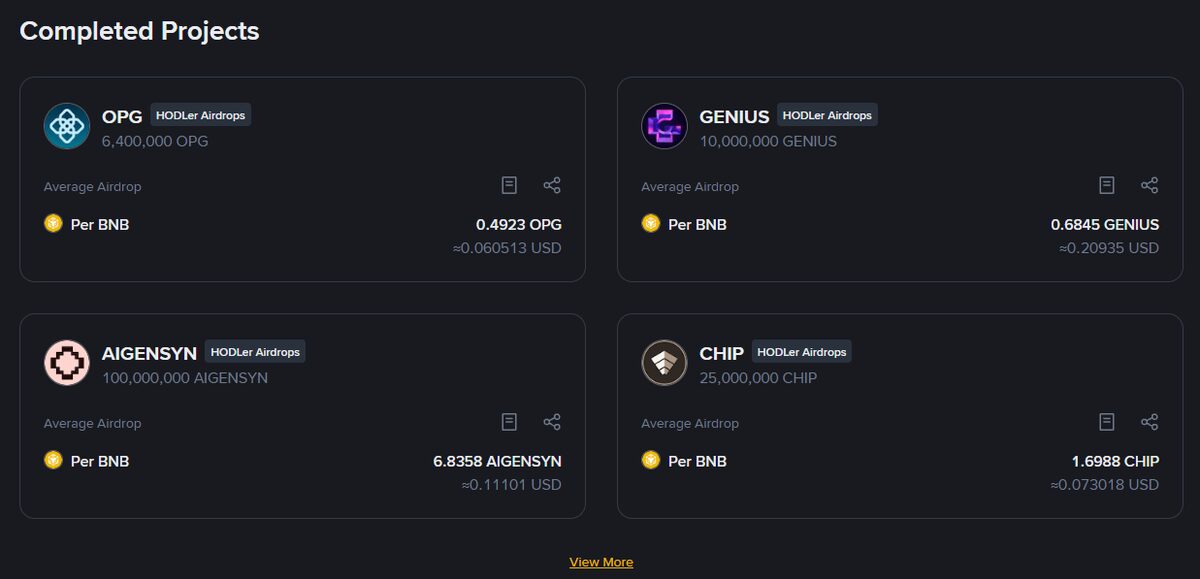
Binance offers token launch and distribution services through its Launchpad and Launchpool programs.
Binance Launchpad provides infrastructure for token launch events, including structured fundraising opportunities for crypto startups. Launchpool, meanwhile, allows eligible users to lock supported crypto assets to receive new project tokens.
The distinction is important: Launchpad is associated with token sales, while Launchpool uses a token-reward distribution model.
According to Binance’s documentation, Launchpool rewards are distributed based on users’ eligible locked balances relative to the total eligible amount in the relevant pool. Supported assets and campaign conditions depend on each project.
Pros
- Exchange-based participation.
- Different mechanisms for token sales and token rewards.
- Supported assets and campaign conditions vary.
- Users should check account eligibility and the latest project announcements.
Cons
- High competition for allocations.
- Low frequency of launches due to strict requirements.
2. KuCoin Spotlight
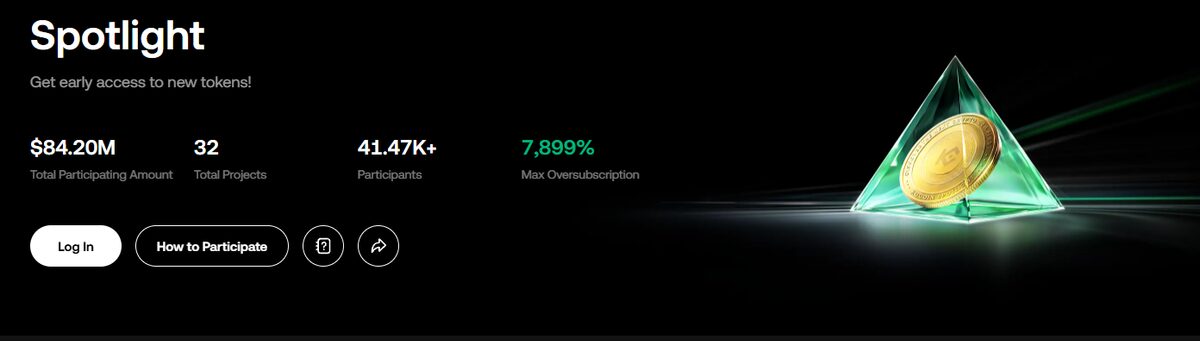
KuCoin Spotlight is the exchange’s token launch platform, providing access to selected cryptocurrency projects through token sale campaigns.
Its participation model is based on individual sale conditions. According to KuCoin’s September 2026 documentation, users generally need to complete identity verification, use an eligible main account, and reside in a region where participation is permitted.
KuCoin also documents allocation and refund mechanisms for oversubscribed token sales. The precise rules depend on the campaign.
Spotlight is worth considering when comparing centralized exchange launchpads, particularly for users who prefer an exchange-based participation process.
Pros
- Centralized exchange-based token sales.
- A strict vetting process that protects investors from scams.
- Multichain support.
Cons
- Geographic eligibility restrictions.
- Allocation and refund conditions that vary by campaign.
3. DAO Maker
DAO Maker is a blockchain fundraising platform focused on helping early-stage projects access funding and communities.
Its launchpad documentation describes two types of Strong Holder Offerings (SHOs): public offerings and private offerings. Access to certain private offerings is associated with DAO token staking.
The platform also maintains a project portfolio showing fundraising information and historical project performance. These figures should be interpreted as historical data rather than evidence of expected future returns.
For potential participants, the important considerations include the offering type, eligibility rules, token requirements, and the conditions attached to each sale.
Pros
- Public and private SHO offerings.
- DAO token staking associated with certain participation opportunities.
- Project-specific sale conditions.
- Historical fundraising data available through the platform.
Cons
- Lenient selection criteria mean riskier investments.
- Users typically need to hold DAO tokens to access the best projects.
3. Seedify
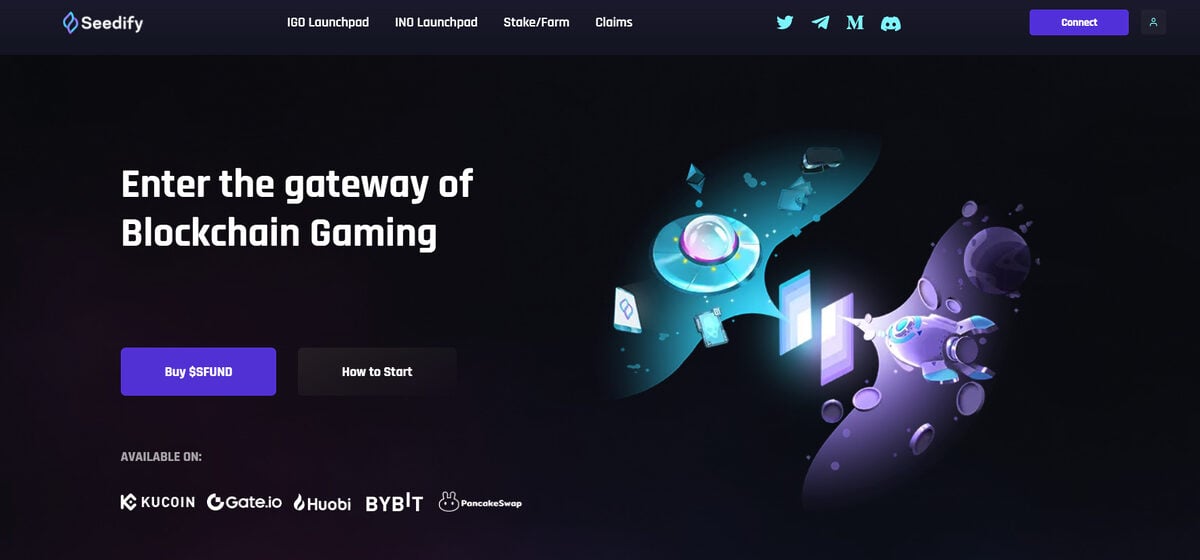
Seedify is a Web3 incubator and launchpad ecosystem focused on blockchain projects, including areas such as gaming, DeFi, artificial intelligence, and NFTs.
The platform uses its SFUND token within its participation and staking ecosystem. Its current website documents IDO participation, staking, farming, and project claims.
Seedify has also introduced changes to its SFUND token ecosystem. Its official platform currently distinguishes legacy staking and farming pools from its newer staking arrangements. Consequently, older descriptions of its allocation tiers and token requirements should not be assumed to reflect current conditions.
Users considering Seedify should review its current token migration information and participation documentation before acquiring tokens or committing funds.
Pros
- Web3 incubator and launchpad ecosystem.
- IDO participation mechanisms.
- SFUND-based staking and participation features.
- Changes to token utility and staking arrangements.
- Community-led decentralized launchpad.
Cons
- An expensive tier system makes for a high barrier to entry.
- Community-led vetting process means that selection criteria can be lenient.
4. PolkaStarter
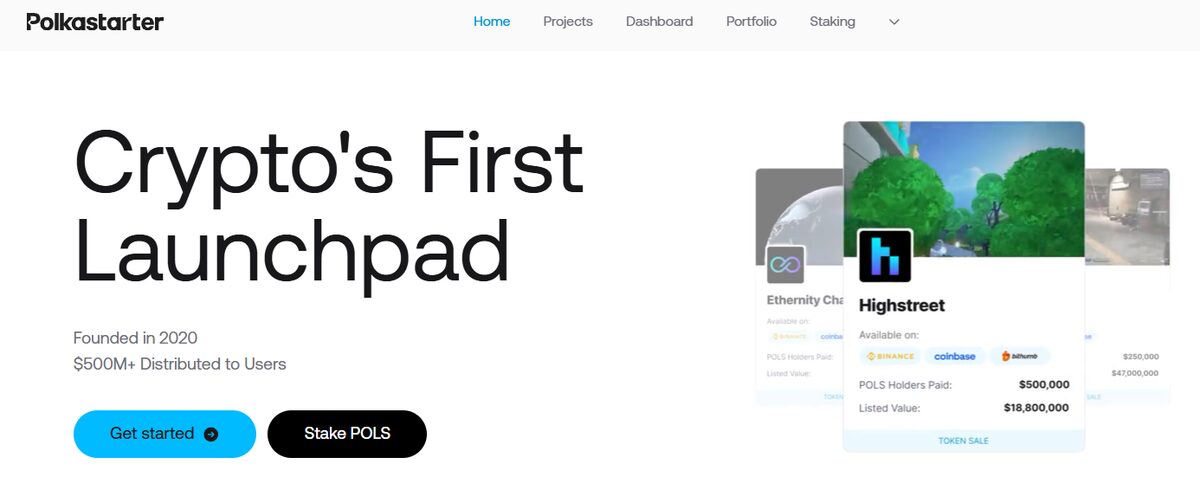
Polkastarter is a decentralized fundraising platform that enables Web3 projects to raise funds through token pools.
Its documentation describes fixed-swap pools, which allow projects to establish a fixed purchase price for tokens during a sale, subject to the pool’s conditions.
Polkastarter also uses POLS Power to determine eligibility and participation opportunities for IDOs. POLS Power takes account of eligible POLS holdings and staking, while the platform’s allowlist mechanism determines which users can participate in individual sales.
The platform’s staking page describes different POLS Power tiers and their associated participation probabilities. These probabilities are not guarantees of allocation.
Pros
- Decentralized fundraising infrastructure.
- Fixed-swap token pools.
- POLS Power and staking-based participation.
- Allow listing and project-specific eligibility requirements.
Cons
- Low average raise compared with other platforms on this list.
- Token-gated access to token sales.
5. GameFi
GameFi is a Web3 fundraising and launchpad platform focused on blockchain gaming, artificial intelligence (AI), and real-world asset (RWA) projects. It provides early-stage projects with access to token fundraising and gives eligible users opportunities to participate in Initial DEX Offerings (IDOs).
The platform uses its native GAFI token within its participation ecosystem. According to GameFi’s official website, users can connect their crypto wallets, stake GAFI to access participation tiers, apply for IDO whitelists, and complete any required KYC procedures before joining a token sale.
GameFi also publishes information about upcoming and completed sales through its launchpad. Its project offerings and participation conditions can change, so users should consult the official platform before committing funds.
Pros
- Web3 launchpad covering gaming, AI, and RWA projects.
- GAFI-based staking and participation tiers.
- Upcoming and completed IDO listings.
Cons
- Whitelist applications and KYC requirements.
- Project-specific allocation and participation conditions.
How to Choose the Best Crypto Launchpad
There is no single crypto launchpad that is suitable for every investor. The right platform depends on the type of token sale, participation requirements, supported networks, and the user’s risk tolerance.
Consider the following factors before choosing a platform:
1. Project Research and Transparency
Check whether the launchpad provides accessible information about the projects it hosts.
Relevant information includes:
- Project documentation and whitepaper.
- Tokenomics and total token supply.
- Token distribution and vesting schedules.
- Team and project background.
- Smart contract information and security assessments.
A launchpad’s involvement does not replace independent research into the underlying project.
2. Participation Requirements
Different platforms use different allocation mechanisms.
Some centralized exchanges require identity verification, while decentralized launchpads may require wallet connections, staking, or allowlisting.
Review the requirements before buying a platform token or transferring assets.
3. Token Allocation Mechanisms
Understand how a launchpad distributes tokens.
Possible mechanisms include:
- First-come, first-served sales.
- Lottery-based allocation.
- Tier-based allocation.
- Proportional allocation.
- Allowlist-based participation.
A higher staking tier or larger token balance does not necessarily guarantee a profitable investment or a specific allocation.
4. Vesting and Token Unlock Schedules
Check whether tokens are distributed immediately or released over time.
Vesting schedules can influence how much of the purchased allocation becomes available at launch and when the remaining tokens can be claimed.
5. Security and Platform Reputation
Review available smart contract audits, security disclosures, platform documentation, and independent assessments.
Also verify that you are using the platform’s official website. Never share your wallet recovery phrase or private keys with a launchpad or someone claiming to represent its team.
6. Geographic and Regulatory Restrictions
Some launchpads restrict participation based on jurisdiction, identity verification, or local compliance requirements.
Check the current terms of service and the specific sale conditions before attempting to participate.
Are Crypto Launchpads Safe?
Crypto launchpads can make it easier for projects to raise funds and for crypto investors to get early access to new tokens. However, taking part in a launch does not mean the investment is safe or guaranteed to be profitable.
There are a few key risks to keep in mind:
- Project risk: The team may fail to deliver what it promised, or the project may never gain traction.
- Market risk: Newly launched tokens can be highly volatile, and prices can drop sharply.
- Liquidity risk: There may not be enough buyers after launch, making it difficult to sell your tokens.
- Smart contract risk: Bugs or security vulnerabilities could lead to lost funds.
- Allocation risk: Getting into an IDO or receiving a token allocation doesn’t mean the token will increase in value.
- Platform risk: Even a well-known launchpad with a good track record can host unsuccessful projects.
At the end of the day, every launchpad investment carries risk. Do your own research, look beyond the hype, and only invest what you can afford to lose.
Why This Matters
For gem hunters and investors with a high appetite for risk, crypto launchpads can be an excellent tool for getting in on a new blockchain project on the ground floor. That being said, you should always do your own research and avoid being tempted by what looks like discounted presale prices.
FAQs
The best crypto launchpad in 2026 depends on your goals and preferred blockchain ecosystem. Popular options include Binance Launchpad, DAO Maker, Polkastarter, and Seedify. Compare their project selection, security, token requirements, and allocation mechanisms before choosing.
Binance Launchpad may be a good starting point for beginners because of its integrated exchange experience. DAO Maker and Polkastarter are alternatives for those exploring decentralized token launches. Always research participation requirements and potential risks.
Crypto launchpads can offer early access to tokens with potential for price appreciation. However, profitability is never guaranteed. Token prices can decline significantly, and investors may face liquidity, vesting, and project-related risks.
Some crypto launchpads require users to stake native platform tokens to qualify for token sales or receive allocations. Others use lotteries, allowlists, or direct subscriptions. Requirements vary by platform and individual offering.
An Initial DEX Offering (IDO) takes place through a decentralized exchange or launchpad, while an Initial Exchange Offering (IEO) is conducted through a centralized cryptocurrency exchange. IDOs typically use crypto wallets, whereas IEOs rely on exchange accounts.
You can discover upcoming token launches through crypto launchpad websites, exchange announcements, and platforms such as CoinMarketCap and CoinGecko. Always verify launch dates, token details, and official links before participating.
Decentralized launchpads offer transparent, blockchain-based token sales but still carry risks, including scams, malicious smart contracts, and token price volatility. Research projects, check security audits, and verify smart contract addresses before investing.