

Latin America has become a regional cryptocurrency powerhouse due to its lack of financial inclusion and the population’s desire for a hedge against high inflation. In countries like Argentina, Brazil, and Mexico, crypto credit and debit cards are hugely popular, helping people to reduce their reliance on the local fiat currency and instead pay their way using digital assets.
So let’s take a look at the top crypto cards in Latin America, providing the financial freedom that traditional banks have failed to deliver.
Bybit Card
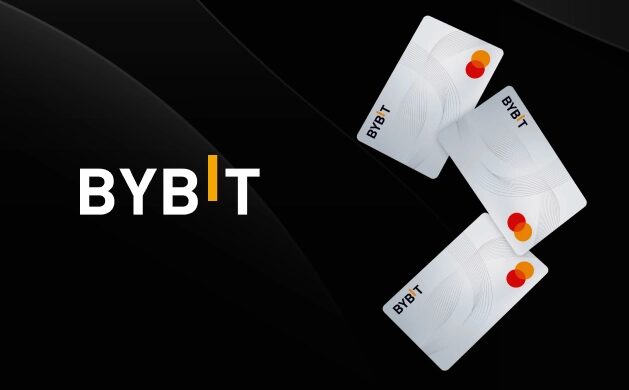
Bybit Card has emerged as a favorite in several major Latin American nations, including Argentina, Brazil, Mexico, and Peru. Supported by Mastercard, it benefits from acceptance at millions of retailers and merchants globally. Seamless integration with the Bybit exchange means that users can spend their crypto assets directly in the real world, with the crypto held in their wallets being exchanged into fiat at the point of sale, eliminating the need to “cash out” first.
Sponsored
Users fund the card through their Bybit Funding account, and they can choose from various assets, such as BTC, ETH, SOL, USDT, and USDC. One of its key advantages is its competitive rewards system, where users earn points on every purchase they make, and another is the lack of hidden fees, such as “issuance charges.” Rewards points can be exchanged for trading bonuses on the Bybit exchange or used to buy physical merchandise online.
Bybit Card is especially useful for travelers because of its favorable currency conversion rates, and also security features such as the ability to instantly freeze the card if it goes missing.
Best For: It’s a solid all-rounder that’s ideal for both locals and frequent travelers to Latin America who’re looking for a secure, low-fee, and widely accepted crypto payment tool.
Belo Card
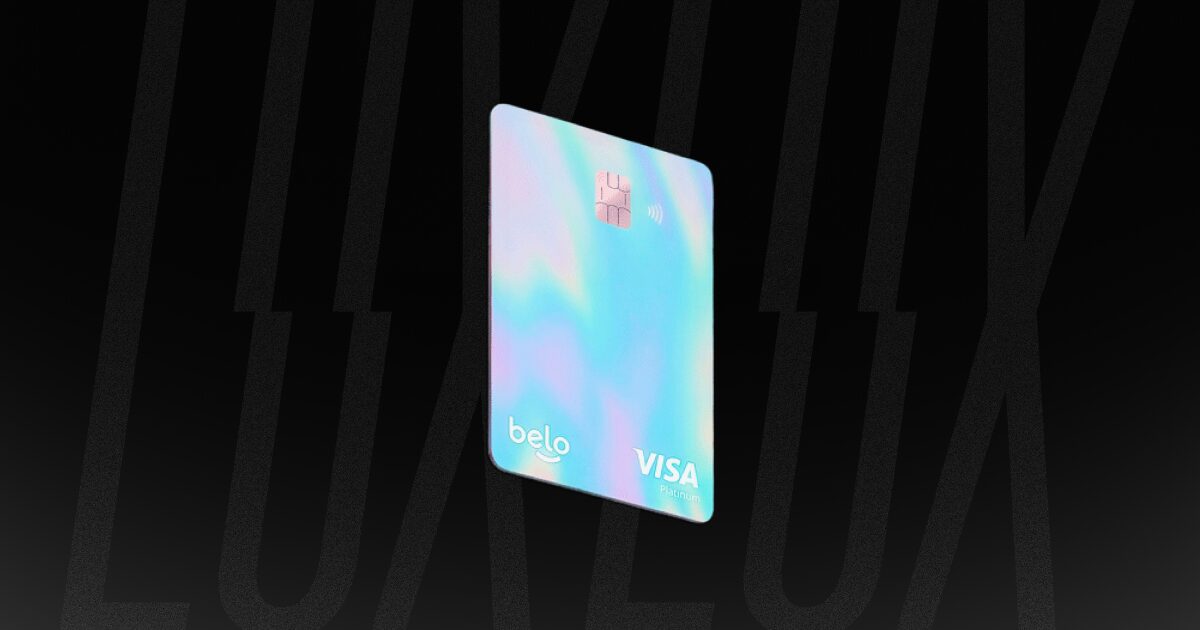
Belo Card first found success in Argentina, where it launched to solve the problem of hyperinflation. As a Mastercard-supported card, users can choose to pay for items in either crypto or pesos. Belo’s main hallmark is flexibility – users can select which token they want to spend first, and also choose a backup, so the card would only dip into their USDT funds, for example, before dipping into their BTC balance if there’s not enough.
There’s an instant cashback feature, where users are rewarded with a randomized percentage of their purchase in crypto, which goes directly to their balance. The card also supports the Lightning Network, but users should be aware that it lacks the global ecosystem of a platform like Bybit. While it’s great for local users, Belo lacks global scale.
Best For: Residents of Argentina and digital nomads who receive payments in stablecoins and need a flexible way to pay their day-to-day expenses.
Lemon Cash

Known simply as “Lemon,” it’s billed as the first “social” crypto card in the region. It’s popular thanks to its 2% Bitcoin cashback on every purchase, which provides a strong incentive for daily use. Lemon Cash also has a kind of “dual-mode” for those who link the card to their local bank account, allowing them to choose between paying with crypto or the local currency.
Lemon is highly integrated with local financial services, including Pix in Brazil and CVU in Argentina, making it seamless to send payments to anyone with a local bank account. Lemon also has its “Lemmy” NFTs, which are given to every user and serve as their digital identity within its wider ecosystem. When users spend money, they often get the chance to participate in local “drops” and other events, and users can share their “cashback wins” on Instagram and X, unlocking additional rewards when they achieve certain milestones.
On the downside, Lemon lacks a professional trading platform, which means that exchange rates for crypto-to-crypto and crypto-to-fiat may not be the most competitive.
Best For: Gen Z and millennials in South America who enjoy collecting rewards as they spend.
Binance Card
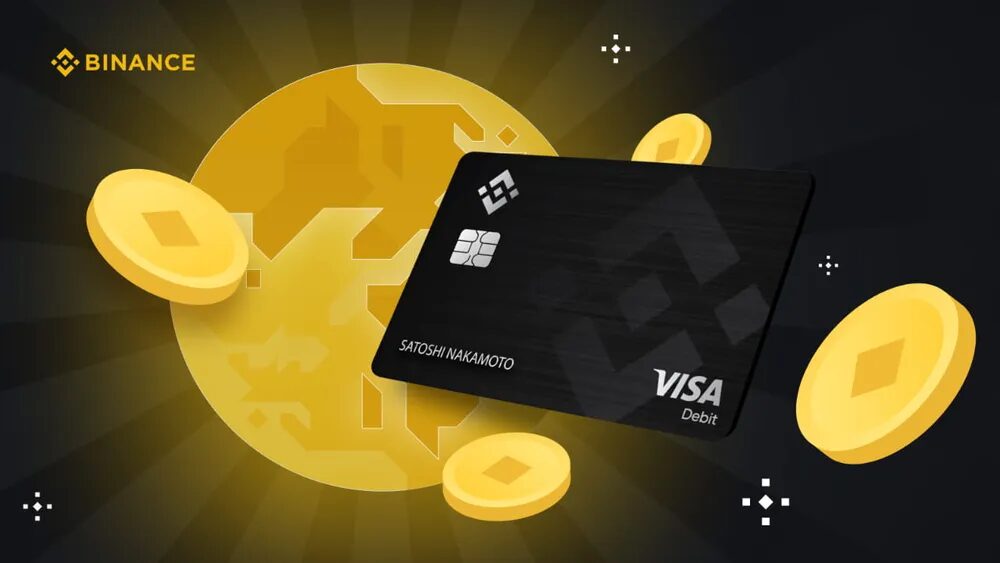
A heavy-hitter like Bybit, Binance Card’s strength is tied to its global exchange platform, which enables users to link hundreds of tokens to their card. It functions similarly, converting crypto to local currency at the point of sale, and it’s backed by Mastercard, meaning users can spend at more than 90 million merchants globally.
Binance Card’s main advantage is its tiered cashback system, with some users able to recoup up to 8% on their transactions. But to reach this higher tier, users must hold a substantial amount of BNB tokens in their wallet. This means it’s less advantageous for casual users. That said, its robust functionality and professional security features make it a solid option for crypto natives and anyone invested in the Binance ecosystem.
Best For: Binance customers and other whales who hold stacks of BNB tokens in their wallets and are looking for maximum cashback on their purchases.
Ripio Card
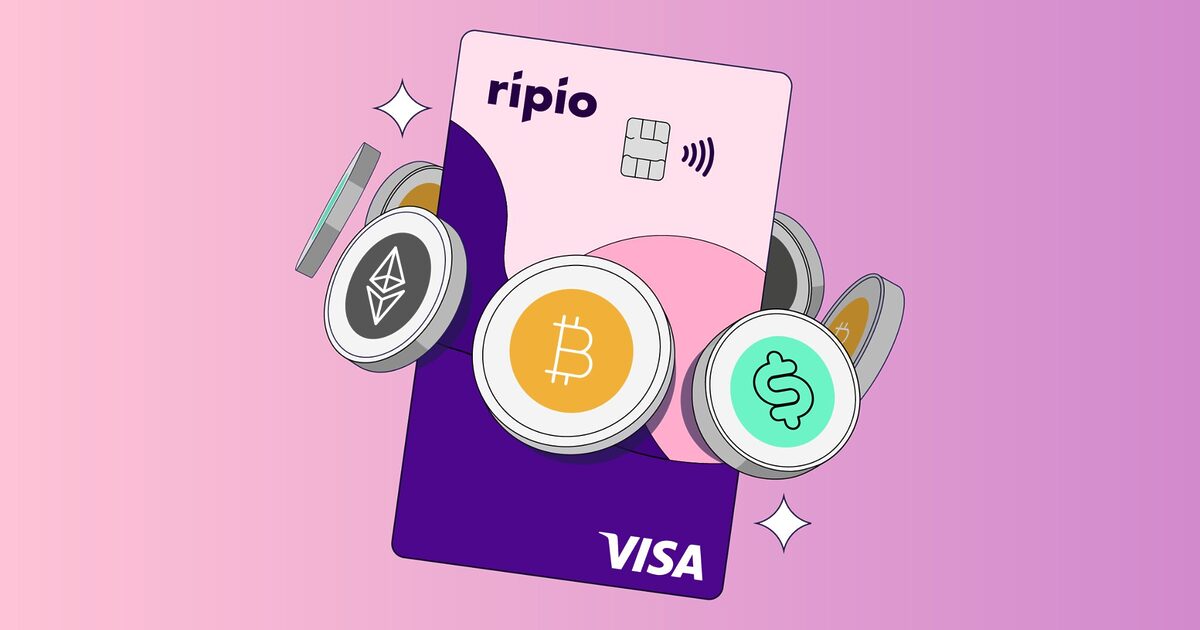
A well-known name across Latin America, Ripio’s card is accepted at any merchant that supports Visa payments. Like other crypto credit and debit cards, it enables direct spending of your crypto balance and various cashback rewards.
Ripio Card stands out for two things: its strong LATAM market presence and its regulatory compliance. Its long history in the region means it’s generally trusted even more than some of crypto’s biggest global names. On the downside, Ripio lacks the extensive token support of alternatives like Bybit Card and Binance Card. The accompanying app’s UX is functional, but it lacks some of the advanced features found on global platforms.
Best For: Users looking for an established and trusted platform that has a solid reputation for reliability.
Which Card Is Best For Your Journey?
If you’re traveling to Latin America, either for work or for play, life is much easier when you can pay your way with crypto funds from a Bybit card. Given the volatility of many South and Central American currencies, it makes sense to keep the bulk of your funds in a more stable currency that can easily be spent at most local stores. While you’ll always want to keep a small amount of cash handy, you won’t have to take on the risk of carrying around a fat wallet that might end up getting you unwanted attention.
For anyone visiting Latin America, crypto credit cards provide a secure and rewarding way to pay for hotels, meals at restaurants, and in-store purchases.