

Russian security officials just turned up the heat: they’ve placed Telegram founder Pavel Durov on an international wanted list, accusing him of facilitating terrorist activity.
The breaking headline rattled sentiment fast, with the GRAM token (tied to the Telegram ecosystem) dropping roughly 4% in early trading before clawing back some ground near $1.40.
Sponsored
Moscow isn’t exactly treating this like a passive platform beef.
They’re framing Durov as personally responsible for enabling unlawful activity on Telegram — a broad charge that could sweep in everything from alleged moderation failures to tools that help groups communicate or move funds.
Details on the evidence remain thin in public reporting, and Telegram hasn’t dropped an official response in the initial wave.
The Charge Feels Broad, The Timing’s Familiar
This escalation hits amid global government pressure on encrypted apps for more moderation, backdoors, or data handovers.
For Telegram — a go-to hub for crypto communities, emerging markets, and privacy fans — it flips long-running political tension into direct legal jeopardy for the founder.
The international warrant shows Russia wants action beyond its borders. Whether they can actually nab Durov (who’s long operated out of Dubai with French citizenship) is another matter, but the optics alone are enough to spook the market.
GRAM’s Quick Reaction Tells The Full Story
While Telegram isn’t a pure crypto play, GRAM (formerly linked to TON) trades like one that’s heavily tied to Durov’s personal narrative. The token’s ~4% dip reflects classic trader reflexes: de-risk first, ask questions later. Volume spiked as positions shifted, underscoring how quickly founder risk can transmit to token prices.
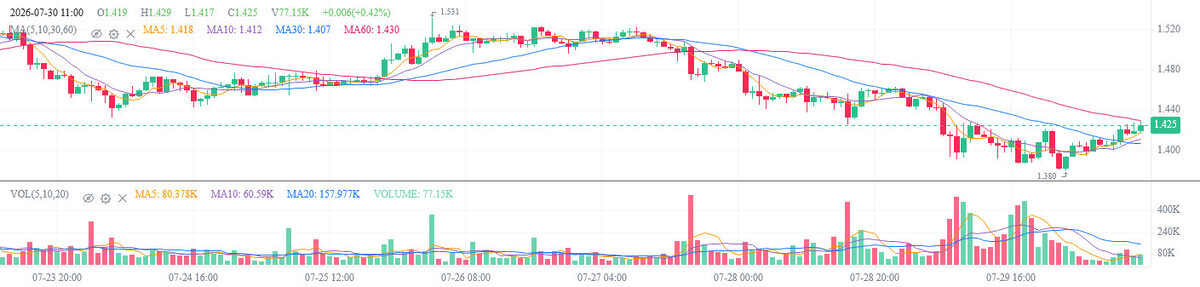
The bigger concern isn’t one red candle. It’s potential sustained pressure — tighter restrictions in certain regions, extra compliance demands on partners, or knock-on effects for projects that rely on Telegram as their main distribution and support channel.
This is classic regulatory contagion. When a central figure in a major crypto’s communications infrastructure becomes a target, the ripple effects hit liquidity, user growth, and risk premiums across related assets.
Pavel Durov built Telegram into a privacy powerhouse that crypto embraced — governments, predictably, are less enthusiastic.
One thing’s for sure: the messaging app wars just got a lot less boring. Whether this becomes a prolonged overhang or fades into geopolitical noise will depend on how aggressively Moscow pursues it and how the rest of the world reacts.
In the meantime, traders are pricing in the uncertainty the only way they know how — with their wallets.
Explore DailyCoin’s popular crypto news today:
BlackRock Joins CLARITY Act Quest: Year-End’s The Big Shot?
Chip Shock Rocks Asia: KOSPI Plunges, Bitcoin Under Pressure