
Crypto gaming isn’t just a fad—it’s a revolution. Gone are the days when gaming meant burning hours without earning a dime. With blockchain technology, NFTs, and token economies, the rules of the game have changed.
Today, we’re diving into the two main ways gamers can earn in Web3: Play-to-Earn (P2E) and Play-and-Earn (P&E). Whether you’re chasing crypto income or just want to flex your skills while having fun, knowing the difference is key.
What is Play-to-Earn (P2E)?
If you’ve ever thought, Why should I just play for free when I can earn crypto?, you’re already in P2E territory.
Sponsored
P2E games allow players to generate real-world income through in-game activities. Players can monetize their time, skill, and effort using cryptocurrencies and NFTs.
Most of P2E games games reward players for completing missions or challenges, competing in battles or tournaments, collecting rare in-game assets and selling or trading NFTs on open marketplaces.
In many cases, these rewards are game-specific tokens that can be converted into other cryptos or traditional currency.
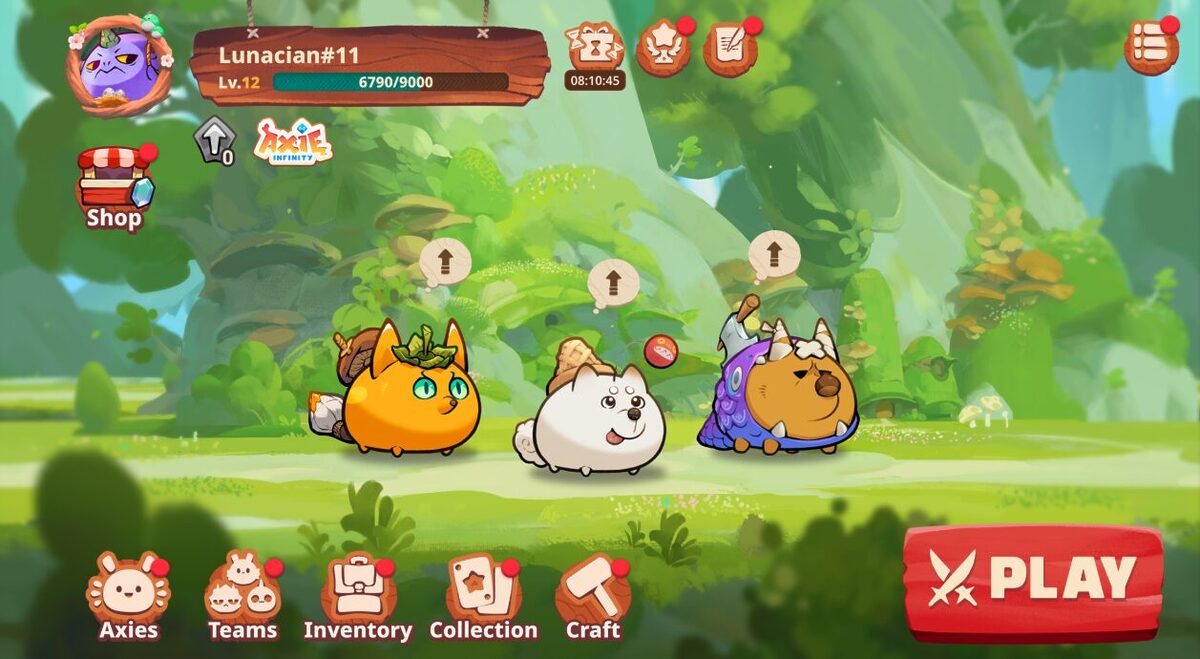
At its peak in 2021, Axie Infinity was a flagship P2E success story. Players in the Philippines and other regions earned significant income by breeding and battling NFT creatures. However, token inflation, high entry costs, and declining rewards eventually undermined the game’s economy.
Pros:
- Unlike traditional games where developers control in-game items, P2E grants players full ownership of their NFTs and tokens.
- P2E has created income streams, particularly in developing economies with limited access to traditional jobs.
- The prospect of earning encourages consistent engagement, at least initially.
Cons:
- P2E economies often rely on continuous new player growth. A slowdown can crash token values, destabilizing the ecosystem.
- Players may treat assets as investments, inflating prices and undermining long-term sustainability.
What is Play-and-Earn (P&E)?
Play-and-Earn (P&E) shifts the focus from profit to enjoyment, prioritizing immersive gameplay and community engagement. It’s more like, “Nah, gaming’s about the vibes, not just the grind.” P&E keeps earning on the table, but makes it a side quest, not the main boss.
The goal? Bring back that pure fun while sprinkling in blockchain magic for crypto gaming without the pressure.
P&E games are designed much like traditional AAA titles, with deep storylines and earning systems that reward skill, achievements, or rare in-game discoveries instead of repetitive grinding. They may also feature optional NFT marketplaces, giving players the choice to earn cryptocurrency or simply enjoy the game without focusing on financial rewards.
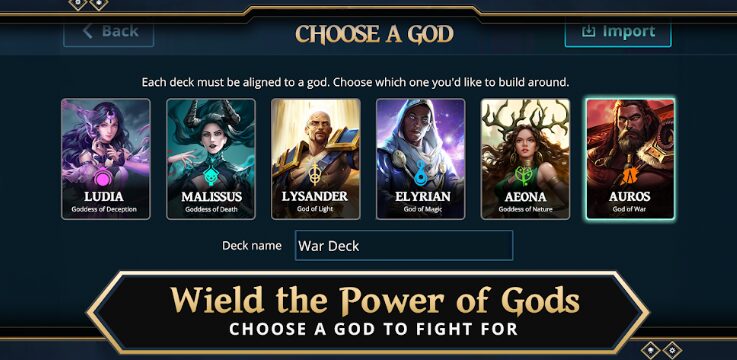
Gods Unchained, a strategy card game, is a perfect example. Players focus on building decks and mastering strategy. While the game incorporates NFTs, earning is tied to performance and time invested, rather than mandatory financial participation.
Pros:
- P&E games come without financial pressure; they prioritize fun and therefore offer more interesting experiences.
- Attracts a broader audience, including non-crypto gamers.
- More resilient to market fluctuations as they are less reliant on token speculation.
Cons
- Players seeking quick profits may find P&E’s rewards less lucrative.
- Developing high-quality gameplay increases production and maintenance expenses.
Which Model Works Best?
For players, the choice between P2E and P&E depends on goals and priorities.
Go P2E if you’re after real-world earnings, and don’t mind repetitive grind and market risks.
On the other hand, P&E tends to attract players who value the gaming experience itself, be it immersive stories, strong communities, and competitive gameplay, while still appreciating the opportunity to earn rewards over time.
The earnings in P&E are typically more modest and slower to accumulate, but the gameplay remains engaging even when market conditions are less favorable.
However, before committing to a game,you should always assess the transparency and sustainability of a game’s economy, understand whether rewards are skill-based or grind-based, and review the long-term roadmap of the game. These factors can help determine whether a game can deliver both enjoyment and stability over the long term.
What’s for the Future?
Many in the industry believe the next wave of Web3 gaming might blend elements of both Play-to-Earn and Play-and-Earn.
Reward systems could be structured around communities, allowing income to be distributed collectively instead of placing pressure on individual players.
At the same time, layered in-game economies could serve both casual users and competitive gamers, broadening appeal and reducing financial pressure.
The next phase of blockchain gaming may also be shaped by policy and technology. Clearer regulatory frameworks for tokenized rewards could give developers and players more confidence in long-term projects.
New economic management tools may help studios stabilize virtual economies and avoid the boom cycles. Meanwhile, the move toward interoperability, that allows NFTs and other digital items to function in multiple games, could change how players think about owning virtual assets.
Why This Matters
Play-to-Earn (P2E) and Play-and-Earn (P&E) represent two distinct visions for blockchain gaming. The future of Web3 gaming will likely involve a balance between the two. Play smart, play for fun, and level up in both crypto and gameplay.
Check out DailyCoin’s crypto gaming scoops:
Start Your Crypto Gaming Portfolio: A 2025 Gamer’s Guide
Tokenization is Already Transforming eSports. Here’s How
People Also Ask:
P2E offers real income potential, especially in regions with limited job opportunities, true ownership of digital assets via blockchain, and high player engagement due to financial incentives.
P&E provides high-quality gameplay, broader appeal to traditional gamers, and more sustainable economies by reducing reliance on speculative earnings, fostering long-term player retention.
While some players have earned significant income from P2E games, especially in emerging markets, it’s risky due to economic volatility and market saturation. It’s not a guaranteed income source.
Check the game’s transparency (e.g., public tokenomics), the development team’s reputation and roadmap, community feedback, and whether the economy relies on sustainable mechanics rather than constant growth.
It depends on your goals. Choose P2E for potential income despite risks and repetitive play. Opt for P&E for engaging gameplay with moderate, sustainable rewards.